
Solar Panel Maintenance: A Guide
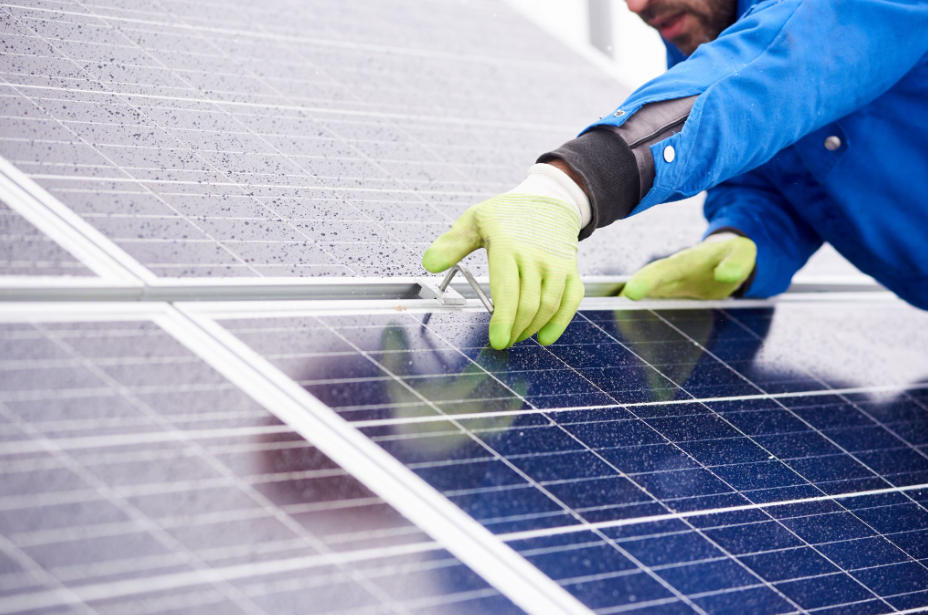
Solar panels spend years exposed to sun, rain, wind, dust, and changing temperatures. Most systems need relatively little attention, but owners shouldn't ignore them. Dirt, damaged parts, and unnoticed performance changes can gradually reduce a system's output. Homes and businesses can avoid many problems through routine monitoring and well-timed professional care. A practical maintenance plan keeps that process manageable without creating unnecessary work or expense.
What Solar Panel Maintenance Includes
Solar panel maintenance involves more than washing dirt from the glass. It combines performance monitoring, physical inspections, appropriate cleaning, and repairs when problems appear. Understanding these tasks helps owners focus their time and money where it matters.
Monitoring the System's Performance
Monitoring gives owners an easy way to see how their solar system performs over time. Many systems provide an app or online platform that records electricity production throughout the day. Normal output changes with seasons, weather, and available sunlight, so every fluctuation is not concerning. However, an unexpected or lasting decline may point to dirt, shade, equipment trouble, or damage. Comparing current production with similar periods can make unusual changes easier to recognize. Those records also give a technician useful information when further investigation becomes necessary.
Inspecting Panels and Related Equipment
A complete inspection looks beyond the visible surface of each solar panel. Technicians may examine wiring, connectors, mounting hardware, the inverter, and accessible attachment points. They also look for cracks, corrosion, loose components, damaged cables, and other signs of wear. Nearby branches or new structures may receive attention if they have started shading the array. These checks can uncover concerns that energy monitoring alone cannot explain. Finding them early often makes repairs simpler and limits unnecessary production losses.
How Routine Care Protects Solar Output
Solar panels cannot produce their expected power when sunlight or equipment problems interfere with operation. Some changes happen slowly, making reduced output hard to notice without monitoring. Routine care provides a practical way to spot these changes before they become bigger problems.
Keeping Energy Production Consistent
Solar panels need unobstructed sunlight to generate electricity effectively. Dust, pollen, leaves, bird droppings, and other residue can block some sunlight from reaching the cells. Light buildup may have little noticeable effect, particularly when regular rainfall clears the surface. More stubborn contamination can remain and contribute to declining production under certain conditions. Monitoring helps owners distinguish possible maintenance problems from normal weather-related changes. An inspection can then identify the cause instead of relying on guesswork.
Limiting Wear Across the System
Solar equipment remains outdoors for years and experiences constant environmental exposure. Heat, cold, wind, moisture, and storms can gradually affect connections and mounting components. A loose connector or damaged cable may begin as a small issue before disrupting system performance. Mounting hardware can also develop problems after severe weather or years of temperature changes. Regular checks allow technicians to address developing concerns before they affect additional components. This preventive approach can reduce avoidable repairs and support more dependable operation.
What a Solar System Inspection Covers
A useful solar inspection combines physical observations with system performance data. The technician checks the parts that collect, transfer, and convert the electricity produced by the panels. This broader approach helps identify problems that a simple surface cleaning would miss.

Panels, Glass, and Surface Condition
Technicians usually begin by examining the panels for visible damage and unusual buildup. Cracks, chips, discoloration, or damaged edges can indicate that a panel needs closer attention. They may also look for leaves, nesting materials, dirt, or residue collecting around panel edges. New shading from trees or nearby structures can explain production changes even when the panels remain clean. Surface conditions also help determine whether professional cleaning would provide a practical benefit. This inspection gives owners a clearer picture of panel condition before any service begins.
Wiring and Electrical Connections
Electricity must travel safely from the panels through several components before a property can use it. Cables and connectors can experience wear from heat, moisture, movement, and long-term outdoor exposure. Technicians may look for damaged insulation, loose connections, corrosion, or signs of excessive heat. Testing can also reveal electrical problems that are not obvious during a visual inspection. These findings help separate a panel-related issue from trouble elsewhere in the system. Electrical repairs should remain with qualified professionals rather than becoming a do-it-yourself project.
Mounts and Roof Attachment Points
Mounting equipment keeps panels secure and correctly positioned throughout their service life. Strong winds, storms, temperature changes, and structural movement can place stress on these components. An inspection may reveal loose hardware, corrosion, shifting panels, or problems around accessible attachment points. Technicians can also check whether the array remains stable and properly aligned. Mounting concerns deserve attention because they can affect both solar equipment and the surrounding property. Prompt repairs can prevent a minor hardware problem from becoming more complicated.
How Often Solar Panels Need Maintenance
Solar systems do not follow one universal maintenance schedule because properties face different conditions. System age, equipment instructions, weather, surrounding vegetation, and performance history can all affect service needs. Owners get better results from combining routine monitoring with inspections based on actual conditions.
Do Solar Panels Need Annual Maintenance?
Solar panels do not automatically need extensive hands-on service every year. However, periodic inspections can help identify wear, damage, shading, or equipment problems that owners might miss. Manufacturer recommendations and installer guidance should help determine an appropriate inspection schedule. Older systems or properties exposed to severe weather may benefit from closer attention. An inspection may also make sense after major storms or unexplained production changes. The goal is appropriate preventive care, not scheduling unnecessary work simply because another year has passed.
How Often Should Panels Be Inspected?
Inspection frequency depends on the system, its environment, and the equipment manufacturer's recommendations. Owners should monitor production regularly so they can spot changes between professional visits. A sudden output decline, warning message, or visible damage can justify an earlier inspection. Severe storms may also create a reason to have accessible equipment checked for damage. Businesses with large arrays may prefer planned inspections that fit existing facility maintenance schedules. Homeowners can use a simpler approach based on system performance, equipment guidance, and changing property conditions.
When Should You Schedule an Extra Inspection?
Some conditions justify an inspection before the next planned maintenance visit. Severe storms, falling branches, or visible panel damage deserve attention soon after they occur. Unexpected production drops and repeated equipment warnings can also indicate a developing problem. New roof leaks near the array may warrant checking accessible mounting and attachment areas. Owners should also arrange service when wiring, panels, or mounting equipment appear damaged. Responding to these warning signs can prevent a fixed schedule from delaying necessary repairs.

When Solar Panels Need Cleaning
Solar panels may collect dirt even though rain naturally removes some loose material. The amount depends on rainfall, panel angle, nearby activity, vegetation, and local environmental conditions. Cleaning makes the most sense when buildup becomes noticeable or appears to affect performance.
Signs That Cleaning May Be Needed
Visible dirt can indicate that solar panels need closer attention, but appearance tells only part of the story. Persistent bird droppings, pollen, leaves, or other residue may remain after ordinary rainfall. A gradual production decline can provide another clue when weather and seasonal conditions remain comparable. However, owners should not assume that every drop in output comes from dirty panels. Shade, inverter faults, wiring problems, and damaged equipment can cause similar changes. Checking performance and panel condition together provides a better basis for deciding what service is needed.
Why Cleaning Schedules Differ
One property may need panel cleaning more often than another property only a few miles away. Nearby trees can contribute pollen, leaves, sap, and increased bird activity year-round. Construction, unpaved areas, traffic, or landscaping may also increase airborne dust. Panel angle matters because flatter surfaces may retain material that steeper panels shed more easily. Rainfall can remove loose dirt but may not clear sticky residue or material collected around panel edges. For these reasons, cleaning should respond to actual conditions rather than a rigid calendar.
Can You Maintain Solar Panels Yourself?
Owners can handle some basic solar care without touching electrical equipment or climbing onto a roof. Monitoring performance and observing accessible areas can reveal many early warning signs. More technical work should remain with trained professionals because solar systems combine electricity, roof access, and specialized equipment.
What Owners Can Check Safely
Homeowners and facility staff can start by regularly reviewing the system's production data. They can also look for obvious debris, new shade, or visible damage from a safe location. Trees deserve occasional attention because growing branches may gradually block sunlight from reaching panels. Owners can record warning messages from monitoring systems or inverters for a technician to review. Keeping maintenance and repair records also makes future troubleshooting easier. These simple habits provide useful oversight without requiring anyone to handle electrical components.
When Professional Service Makes Sense
Professional help becomes appropriate when maintenance involves roof access, electrical testing, repairs, or difficult cleaning. Technicians have the training and equipment needed to inspect areas owners cannot safely reach. They can also determine whether reduced production comes from dirt, damaged equipment, or another system problem. Service becomes especially important when an inverter shows repeated faults or visible electrical damage. Storm damage and loose mounting components also deserve qualified attention. Calling for service at the right time protects both the equipment and the people around it.
Safe Solar Panel Cleaning Practices
Cleaning methods should remove unwanted material without scratching panels or damaging their protective surfaces. Roof access and nearby electrical equipment also make safety an important part of the job. Owners should follow equipment instructions and avoid methods that could create damage or unnecessary risk.
Choosing Suitable Cleaning Methods
Solar panels generally require gentle cleaning rather than aggressive scrubbing. Abrasive brushes can scratch surfaces, while unsuitable chemicals may leave residue or affect protective coatings. Water quality also matters because hard water can leave mineral deposits after it dries. Cleaning during cooler conditions may reduce rapid drying on hot panel surfaces. Manufacturer instructions should guide the choice of cleaning products and equipment whenever possible. Professional cleaners can select methods that match the panel type and level of buildup.
Avoiding Common Cleaning Mistakes
A dirty panel does not justify taking unnecessary risks on a steep or elevated roof. Owners should avoid walking across panels or using equipment that could damage glass and mounting components. Pressure washing can also create problems when strong water reaches seals, connections, or vulnerable equipment. Harsh household cleaners may contain ingredients unsuitable for solar panel surfaces. Cleaning very hot panels with much colder water can also place unnecessary stress on the glass. When safe access or proper technique is uncertain, professional service offers the more sensible option.
Protecting Panels During Cleaning
Solar panels require careful handling because improper cleaning can damage their surfaces and components. Avoid standing, leaning, or placing heavy equipment directly on the panels during service. Cleaning tools should reach the surface without placing unnecessary pressure on the glass. Owners should also follow manufacturer instructions because panel materials and cleaning recommendations can differ. Damaged panels, exposed wiring, or loose components should receive professional attention before cleaning begins. Careful handling protects the equipment while reducing the risk of turning routine cleaning into an expensive repair.
Strengthen Your Solar Panel Maintenance Plan
Your solar system should keep delivering value without preventable problems cutting into its performance. Regular monitoring and timely professional service can catch concerns while they're still easy to address. Schedule solar panel maintenance when warning signs appear, and give your investment the attention it deserves. A proactive service plan today can help prevent unexpected disruptions and costly problems later.
Get practical solar insights, maintenance guidance, and energy tips from the Trinity Energy blog. Explore more resources to help you care for your solar system with confidence.


