What is Solar Servicing?


Installing a solar energy system is only the beginning of getting long-term value from renewable power. Like any major property investment, it performs best with regular care and professional attention. Dirt, weather, aging components, and everyday wear can gradually reduce efficiency without obvious warning signs. Routine maintenance helps homeowners and businesses avoid unexpected problems while keeping energy production steady. Understanding how solar servicing works makes it easier to protect both the system and the investment behind it.
What is Solar Servicing?
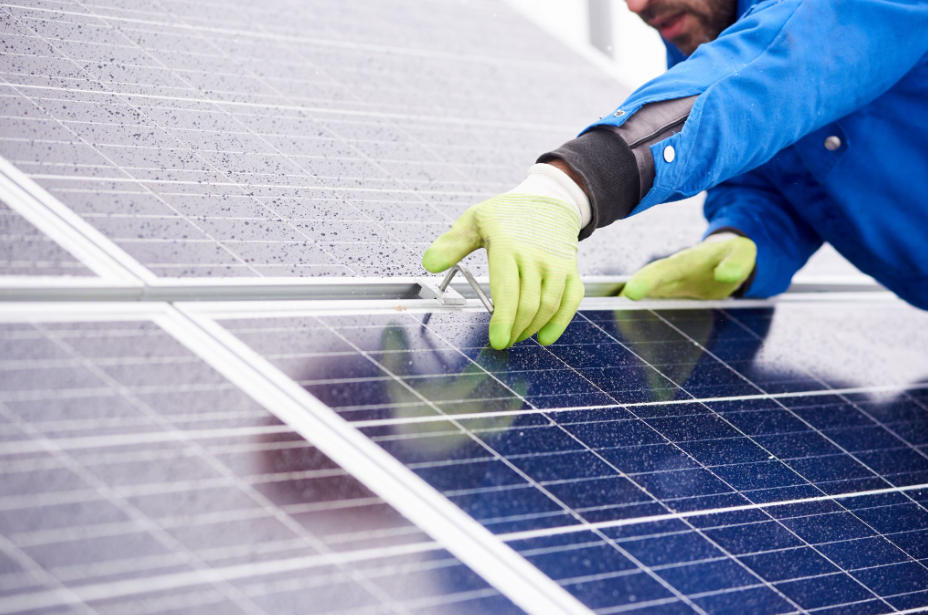
Solar servicing is the routine inspection, cleaning, testing, maintenance, and repair of a solar energy system. The service covers solar panels, inverters, electrical wiring, mounting hardware, monitoring equipment, and safety components. Its goal is to keep the system producing electricity as efficiently as possible while reducing the risk of unexpected failures. Professional technicians evaluate how each component performs and look for signs of wear or damage. They also recommend maintenance based on the system's condition instead of waiting for problems to appear. Regular servicing helps homes and businesses get more value from their solar investment over time.
Is Solar Servicing Necessary?
Solar panels continue to generate electricity for many years, but every system experiences gradual wear from daily operation and changing weather conditions. Dirt buildup, loose wiring, moisture, and aging components can reduce performance long before obvious problems appear. Regular solar servicing helps identify these issues early, making repairs simpler and less expensive. It also keeps electrical components operating safely while supporting consistent energy production. Routine maintenance helps preserve the system's financial value and may uncover warranty-covered issues before coverage expires. With scheduled professional care, homeowners and businesses can reduce unexpected downtime and keep their solar investment performing reliably for years.
How Solar Servicing Works
A professional maintenance visit follows a structured process that evaluates both visible and hidden parts of the system. Each step provides valuable information about equipment condition, energy production, and overall reliability. This organized approach helps technicians identify developing problems before they affect daily performance.
Complete System Inspection
Technicians begin by examining the visible condition of the solar panels and supporting equipment. They look for cracked glass, loose hardware, corrosion, shading, debris, and signs of weather-related damage. Electrical wiring, connectors, disconnect switches, and mounting systems also receive careful attention. Every inspection focuses on identifying issues that could reduce efficiency or pose safety risks. Even small changes in equipment condition may reveal developing problems that deserve further testing. A thorough inspection creates a clear picture of the system's overall health.
Performance Testing and Monitoring
Physical inspections provide valuable information, but testing confirms how well the system actually performs. Technicians evaluate inverter operation, electrical output, and system diagnostics during each service visit. They also review monitoring data to compare current production with expected energy levels. Unexpected changes often reveal hidden faults that are difficult to identify through visual inspections alone. Tracking system performance over time helps detect gradual declines before they become serious problems. This combination of testing and monitoring supports more accurate maintenance decisions.
Service Reports and Maintenance Planning
A professional service visit does not end after the inspection is complete. Technicians document their findings in a detailed report that explains the system's condition and any maintenance performed. They also identify components that may require future attention based on their current performance. This information helps property owners understand how their solar system is operating and what steps should come next. Keeping service records also supports maintenance planning and creates a useful history of the system over time. Clear recommendations make it easier to schedule future servicing before minor concerns become larger repairs.

Components That Need Regular Care
Every solar energy system depends on several connected components working together efficiently. A problem with one part can affect the performance of the entire installation. Regular maintenance helps each component continue operating safely while supporting reliable energy production.
Solar Panels and Mounting Systems
Solar panels are constantly exposed to sunlight, rain, wind, dust, and changing temperatures throughout the year. Over time, dirt, bird droppings, leaves, and other debris may block sunlight and reduce energy production. Technicians inspect panel surfaces for cracks, discoloration, scratches, and signs of moisture intrusion. They also examine mounting rails, brackets, and fasteners to confirm the panels remain secure. Stable mounting systems help protect the equipment during severe weather while supporting long-term performance. Regular inspections reduce the chance of unnoticed structural problems affecting the system.
Inverters and Electrical Equipment
The inverter converts the electricity produced by the panels into usable power for the property every day. Because it operates continuously, this equipment deserves careful attention during every maintenance visit. Technicians inspect electrical connections, circuit protection devices, grounding systems, and wiring for signs of wear or damage. They also check for warning codes or unusual operating conditions that may indicate developing faults. Correcting electrical issues early helps prevent larger equipment failures and unnecessary downtime. Healthy electrical components keep the entire solar system operating safely and efficiently.
Common Issues Found During Servicing
Even well-installed solar systems can develop problems after years of daily operation. Many of these issues appear gradually and remain unnoticed until energy production begins to decline. Routine servicing helps identify these conditions early, allowing technicians to resolve them before they become more expensive repairs.
Dirt, Debris, and Surface Damage
Solar panels work best when sunlight reaches the cells without obstruction. Dust, pollen, leaves, bird droppings, and other debris can block sunlight and reduce the system's output over time. Technicians inspect the panel surfaces for buildup and check for cracks, scratches, chipped glass, or other physical damage. They look for new sources of shade caused by nearby tree growth or recent property changes. Cleaning the panels with the proper methods helps restore performance without damaging protective coatings. Combined with regular inspections, this simple maintenance step supports consistent energy production throughout the year.
Electrical Wear and Loose Connections
Solar systems contain electrical components that expand and contract as temperatures change. Over time, that natural movement can loosen connections or contribute to normal equipment wear. Technicians inspect wiring, connectors, breakers, and grounding systems for corrosion, overheating, or damaged insulation. They also verify that every connection remains secure and operates within normal electrical limits. Finding these issues early helps prevent unexpected shutdowns and costly equipment failures. Regular electrical inspections improve both system reliability and overall safety.
Performance Monitoring During Solar Servicing
Modern solar systems provide more than electricity because they also generate valuable performance data. Monitoring tools help technicians understand how the system operates between maintenance visits. Reviewing this information makes it easier to identify hidden issues before they affect long-term energy production.

Tracking Energy Production
Many solar systems include monitoring software that records daily and long-term energy production. Technicians review this information to compare actual performance with expected output. A gradual decline may indicate dirty panels, equipment wear, or developing electrical issues. Monitoring data also helps determine whether recent repairs or maintenance have improved performance. Reviewing historical trends provides a clearer picture than relying on a single day's production. This information supports better maintenance decisions throughout the system's life.
Finding Hidden System Problems
Not every issue can be seen during a visual inspection. Some problems only appear when technicians analyze production data alongside electrical testing. An unexpected drop in energy output may point to an inverter problem, damaged wiring, or underperforming panels. Monitoring also helps identify intermittent faults that occur only under certain operating conditions. Detecting these issues early allows for repairs before performance declines further. Combining digital monitoring with professional inspections creates a more complete maintenance strategy.
Factors That Affect Service Frequency
Every solar installation operates under different environmental conditions. Some systems require more frequent attention due to their surroundings or daily operational demands. Understanding these factors helps property owners develop a maintenance schedule that matches their specific needs.
Environmental Conditions
Weather and the surrounding environment directly affect solar system maintenance. Properties near trees often collect more leaves, pollen, and bird droppings on the panels. Construction activity can increase dust that settles throughout the system year-round. Coastal environments may expose equipment to salt air, while frequent storms can leave behind debris or cause minor damage. Heavy snowfall or prolonged rainy seasons may also influence inspection schedules. Local conditions help determine how often professional servicing should be performed.
System Size and Energy Demand
Larger solar installations often require more detailed inspections because they contain additional equipment and electrical connections. Commercial systems usually operate under higher energy demands than residential installations. More components create more opportunities for normal wear over time. Businesses may also schedule maintenance around operating hours to reduce disruptions. Homes with battery storage or advanced monitoring systems may also require additional inspections. A maintenance schedule should reflect how the system is used rather than following the same timeline for every property.
Solar Servicing for Homes and Businesses
Residential and commercial solar systems share many maintenance needs, but their operating goals often differ. Homes usually focus on lowering utility costs, while businesses depend on reliable energy to support daily operations. Professional servicing adapts to those differences while following the same commitment to safety, performance, and long-term reliability.
Residential Solar Maintenance
Homeowners benefit from regular inspections that keep their systems producing dependable energy year after year. Technicians inspect roof-mounted equipment, electrical components, and monitoring systems during each service visit. They also look for weather damage, debris buildup, or developing performance issues that could reduce efficiency. Early maintenance helps prevent unexpected repair costs while protecting the home's energy savings. A well-maintained system also supports property value and provides greater confidence in daily operation. Routine servicing allows homeowners to enjoy consistent performance with fewer surprises.
Commercial Solar Maintenance
Commercial solar systems often power larger facilities with greater daily energy demands. Even a small decline in efficiency can affect operating costs across a large installation. Professional servicing includes detailed inspections, performance testing, monitoring reviews, and maintenance planning. Technicians document system condition and recommend repairs before equipment problems interrupt business operations. Scheduled maintenance also helps reduce unplanned downtime while supporting predictable energy production. Businesses benefit from a proactive approach that protects both equipment and long-term operating costs.
Schedule Solar Servicing Before Problems Grow
Every solar energy system benefits from routine care long after installation is complete. Professional maintenance protects equipment, supports reliable performance, and helps property owners avoid unexpected repair costs that could have been prevented. Scheduling regular solar servicing today helps keep homes and businesses generating dependable clean energy while protecting the investment for many years to come.
Keep your solar investment working at its best with practical insights from the Trinity Energy blog. Discover expert guidance on maintenance, performance, and long-term system care.