
Why You Need a Solar Battery System

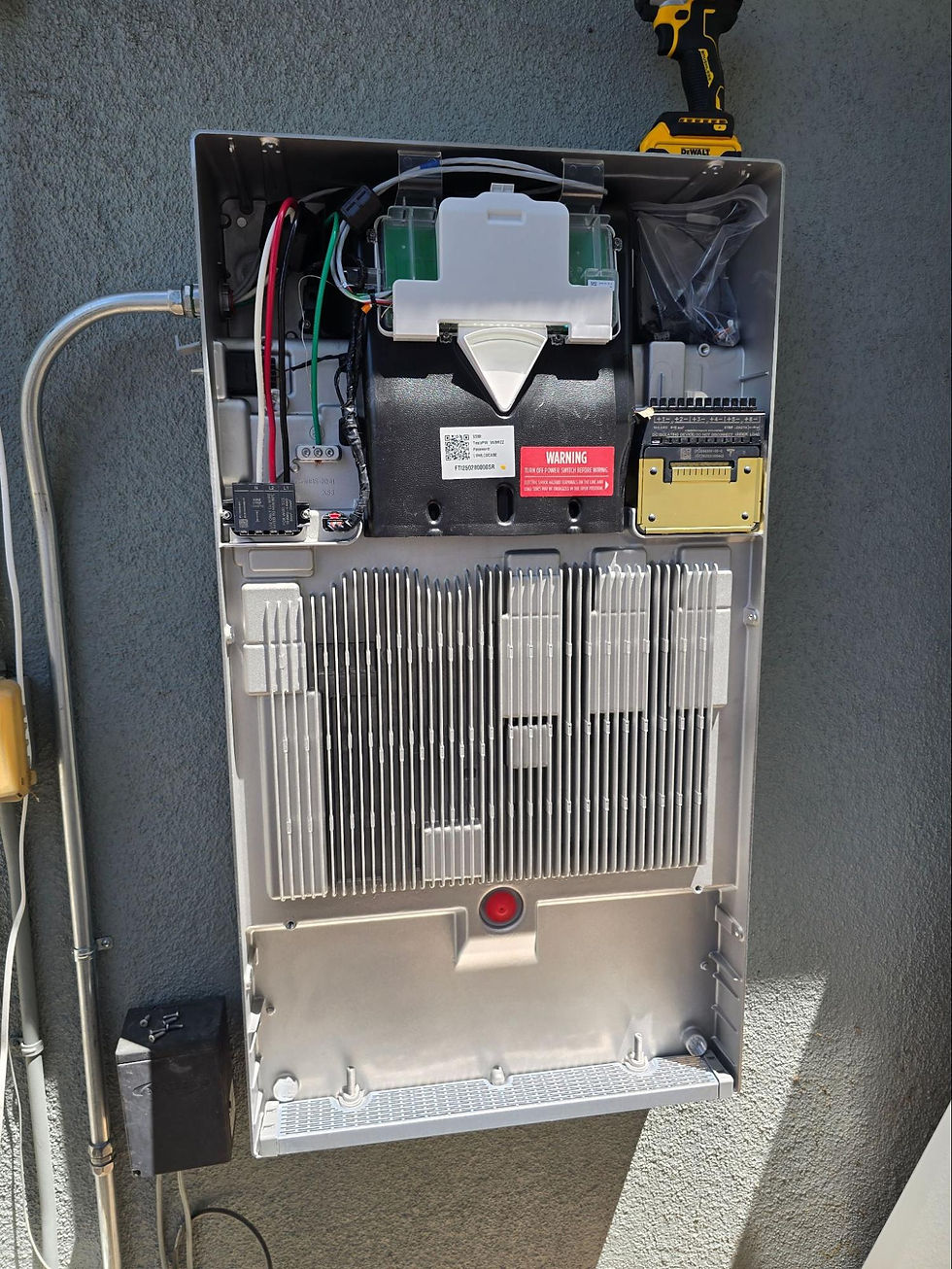
Electric bills keep rising, and many households feel the pressure each month. Solar panels already help reduce costs, yet unused energy often goes back to the grid. A solar battery system stores that excess power for later use, giving you more control. This stored energy supports daily needs when sunlight fades or demand increases. The shift toward energy storage reflects a smarter, more reliable way to manage power.
How a Solar Battery System Works
A solar battery system stores extra solar energy and releases it when needed. This process allows continuous power use beyond daylight hours. This setup integrates panels, inverters, and batteries into a single efficient system. Understanding this system helps users make better energy decisions.
Core Components of Solar Storage
A solar battery system includes panels, an inverter, and a battery. Solar panels collect sunlight and convert it into electricity for immediate use. The inverter changes that electricity into a usable form for appliances and systems. This battery unit stores excess energy when production exceeds demand during the day. Later, this stored power supplies energy when solar output drops or demand increases. Each component supports smooth energy flow and consistent performance throughout the day.
Energy Storage and Usage
Energy storage begins when solar panels generate more electricity than required. Instead of exporting it, this system directs surplus energy into the battery unit. This stored energy powers homes or businesses during evenings or cloudy periods. Smart controls often manage when to store or release energy for better efficiency. This automation helps align energy use with real-time demand and pricing conditions. As a result, users experience consistent power availability with reduced reliance on the grid.
Why Solar Battery Storage Matters
Energy use no longer ends when the sun goes down, and that shift changes how power should be managed. Many systems produce enough electricity during the day but fail to retain it for later use. A solar battery system closes that gap by storing energy for consistent access at any time. This capability sets the stage for practical benefits that improve cost control, reliability, and long-term energy planning.
Lower Energy Costs and Better Savings
Energy expenses often fluctuate, making budgeting difficult for both homeowners and businesses. A solar battery system helps stabilize those costs through better energy management. This stored energy reduces the need to buy electricity during expensive periods. Over time, this approach supports long-term financial planning with more predictable outcomes.
Lower Monthly Electricity Costs
Stored solar energy reduces the need to purchase electricity during peak hours. This approach helps avoid higher rates charged by utility companies during busy periods. Over time, these savings offset the initial installation investment. Businesses benefit from reduced operating costs tied to energy consumption. Homeowners gain more stable monthly expenses through consistent energy use. This financial advantage grows stronger as energy prices continue to fluctuate.
Protection From Rising Energy Rates
Utility rates often increase due to demand, infrastructure, and fuel costs. A solar battery system reduces exposure to those rising expenses. This system allows users to rely more on stored energy instead of grid electricity. As a result, monthly bills become more predictable and easier to manage. Businesses maintain steady operating costs even when energy markets shift. This stability supports long-term budgeting and financial planning.

Reliable Power and Energy Independence
Access to reliable power affects daily comfort and business operations alike. A solar battery system enhances that reliability by providing stored energy reserves. This control allows users to manage power supply without full dependence on the grid. Reliable energy access becomes more valuable as outages and demand increase.
Backup Power During Outages
A solar battery system provides backup power during grid outages. Unlike generators, this system operates quietly and requires no fuel. This automatic switch keeps essential appliances running without interruption. Businesses can continue operations and avoid costly downtime during outages. Homeowners maintain comfort and safety with consistent power access. This reliability adds confidence during unexpected power disruptions.
Greater Control Over Energy Use
A solar battery system gives users control over when and how they use energy. This flexibility allows stored energy to replace grid power during peak pricing periods. This control improves efficiency and reduces overall electricity costs. Businesses can better align energy use with operational demands. Homeowners gain insight into their consumption patterns through system-monitoring tools. Over time, this control leads to smarter and more efficient energy decisions.
Path Toward Energy Independence
A solar battery system supports reduced reliance on external energy providers. This setup allows partial or full off-grid operation depending on capacity. This independence protects users from price fluctuations and supply disruptions. Businesses benefit from stable operations even during grid instability. Homeowners gain confidence in their energy supply under changing conditions. This gradual shift creates a more self-sufficient energy structure.
Cleaner Energy and Environmental Impact
Energy consumption directly affects environmental impact across industries and households. A solar battery system helps reduce that impact by maximizing the use of clean energy. This approach limits reliance on fossil fuels and lowers emissions. Sustainable energy use benefits both individual users and the broader community.
Maximizing Renewable Energy Usage
Solar panels often produce excess energy during peak sunlight hours. A solar battery system stores that energy instead of sending it back to the grid. This storage improves overall efficiency by reducing wasted energy production. Users rely more on renewable energy than on traditional sources. This shift reduces carbon emissions associated with daily energy consumption. Over time, this improvement supports long-term environmental goals.
Supporting a Cleaner Energy Grid
Stored solar energy reduces strain on the electrical grid during high-demand periods. This reduction reduces the need for fossil-fuel-based power generation, supporting cleaner air and reducing environmental impact. Businesses can align operations with sustainability targets through energy storage. Homeowners contribute to broader environmental improvements through daily energy choices. This collective effort strengthens the transition toward cleaner energy systems.

Smarter Energy Control and Monitoring
Modern energy systems now include advanced tools for monitoring and control. A solar battery system integrates these tools to improve efficiency and usability. This technology allows users to track, adjust, and optimize energy usage in real time. Smart management tools support better energy decisions and long-term savings.
Real-Time Energy Monitoring Tools
Modern systems provide apps that display energy production and usage data. These tools help users better understand daily consumption patterns. This visibility allows adjustments that improve efficiency and reduce waste. Businesses can analyze trends to optimize energy use in operations. Homeowners gain better awareness of how their systems perform each day. This real-time data supports continuous improvement in energy management.
Automation and Smart Controls
Smart controls manage when energy is stored or released in response to demand. This automation reduces the need for manual system adjustments, ensuring energy is used efficiently throughout the day. Businesses benefit from consistent performance without constant oversight. Homeowners enjoy convenience while maintaining control over energy usage. This balance of automation and control enhances overall system effectiveness.
Integration With Smart Systems
A solar battery system connects with other smart devices in a property. This integration enables coordinated energy use across appliances and systems, improving efficiency by aligning it with optimal times. Businesses streamline operations through connected energy management systems. Homeowners benefit from improved convenience and reduced energy waste. This compatibility prepares properties for future technological advancements.
Choosing the Right Battery System
A solar battery system should match your energy needs and usage patterns. Selection should focus on achieving reliable performance and long-term value. This evaluation helps achieve reliable performance and long-term value. Choosing carefully leads to better energy management outcomes.
Key Features to Consider
Battery capacity determines how much energy the system can store. Power rating affects how quickly that energy can be delivered when needed. This lifespan and warranty indicate long-term reliability and support. Efficiency ratings indicate how much usable energy remains after storage. Installation requirements vary depending on system size and property layout. This evaluation process helps users select a system that fits their needs.
Custom Solutions for Homes and Business
Energy needs differ between residential and commercial properties. A solar battery system should reflect those differences during system design. This customization ensures the system effectively meets daily consumption demands. Businesses may require larger systems to support continuous operations. Homeowners often focus on cost savings and backup power capabilities. This tailored approach delivers better performance and long-term value.
Switch to a Solar Battery System for Control
Energy demand continues to grow, and relying solely on the grid limits your flexibility. A solar battery system allows you to store and use energy on your own terms. This control supports consistent access to power while reducing exposure to rising costs. Working with a trusted solar energy company helps you design a system that delivers reliable performance and long-term value.
Find clear answers and real-world energy strategies on the Trinity Energy blog.